
TAPELINE campaign in Wallonia (Belgium)
by Antoine Squilbin / UCLouvain – Sytra
1 – Pilot site and context
Through the TAPELINE project, the Walloon Region is launching its first participatory assessment campaign to evaluate the current state and development challenges of agroecology across the diversity of its agricultural regions and production contexts. Wallonia is characterized by a wide variety of rural landscapes: the northern and western regions, with their loamy soils, are highly fertile lands and well-suited to arable farming; while the hilly regions dominated by grasslands in the south and east are better suited to livestock farming (primarily cattle) and mixed farming systems combining livestock with forage and arable crops.
2 – Activities led so far & actors involved
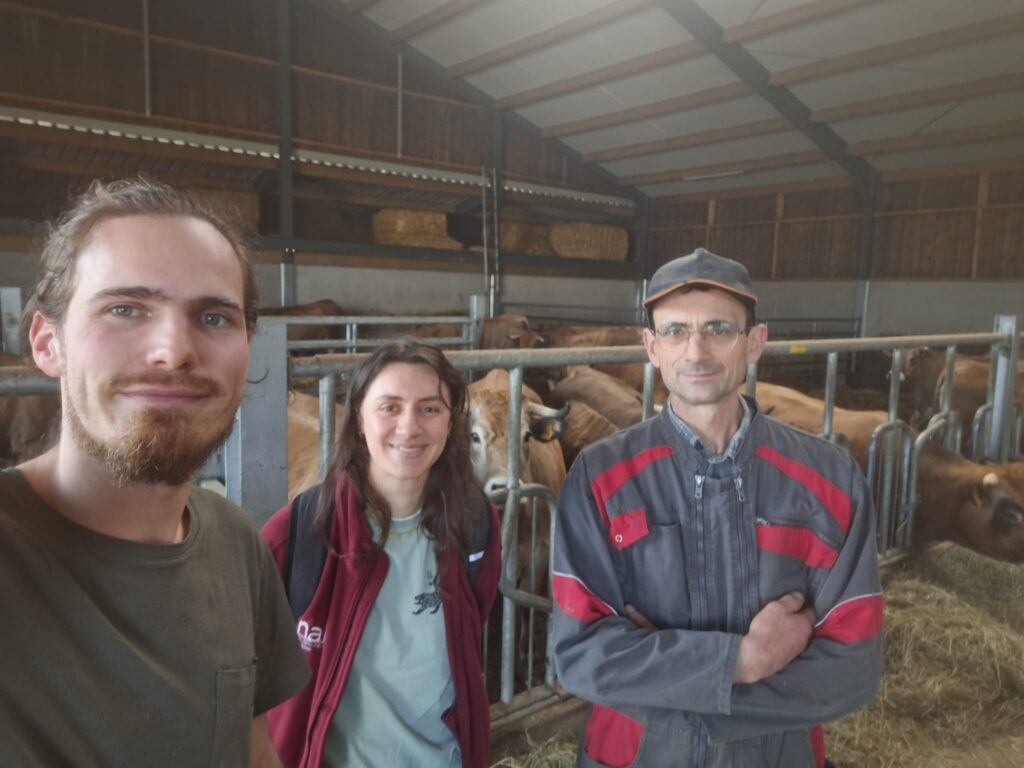
After identifying an initial list of research questions related to the contextual analysis of agroecology in the region (Phase 0), an initial round of direct discussions was conducted to gain a deeper understanding of the concerns of value chain stakeholders within the business environment of the Farm for Good cooperative. At the same time, 90 farmers spread across all agricultural regions of the territory were interviewed in their work environments using the TAPE assessment tool; describing both the level of adherence to practices relative to the definition of the 10 pillars of agroecology (#CAET) and assessing the environmental and economic performance of their farm system.
3 – Early insights and takeaways
A first set of agroecological practices has already emerged from these assessments, such as a high level of crop-livestock integration and strong forage self-sufficiency, which align with the synergic and efficiency dimensions of agroecology.Initial discussions with mid-sized value chain stakeholders have revealed a particular interest and need of retailers for greater clarity and transparency in critical assessment of agroecological dimensions, enabling a better identification and targeting of products with the best agroecological outcomes, based on a harmonized evaluation framework integrating all key aspects of the sustainability of agricultural activities.
4 – What’s Next?
The next phases of the project will involve returning to a broader range of stakeholders within the project’s multi-stakeholder platform to discuss the initial cross-referenced results of the TAPE assessment in light of the specific characteristics of the diverse farms surveyed (specialization, notable practices, etc.) and the implications for a potential transition strategy toward agroecology at the regional level.
To get directly involved in the next steps and contributions sought by the TAPELINE project, you can check out it’s website and stay connected through Facebook and Linkedin webpages, and also be informed on the regional implications through Sytra’s communications. You can join the regional multi-stakeholder platform by registering over here: https://tapeline.org/french-registration/